
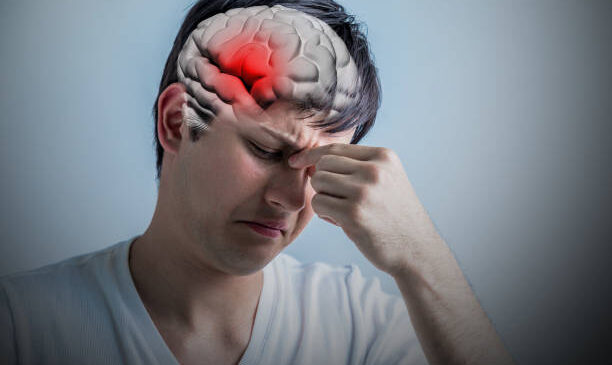
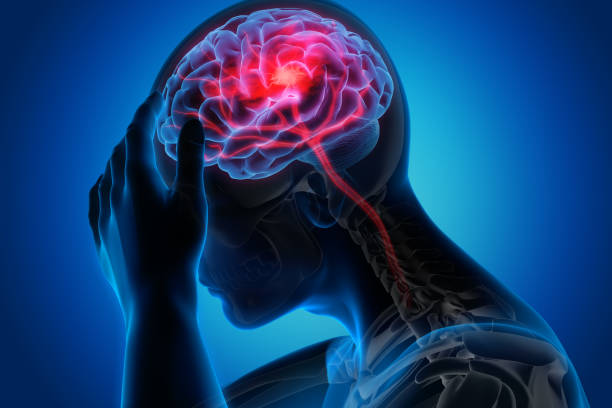
A stroke changes how the brain sends signals to the body, affecting movement, balance, strength, and coordination. Recovery focuses on helping the brain and body relearn these skills gradually rather than all at once. Families often ask when a particular exercise will begin showing results, but a more useful question is which stage of recovery a patient is currently in. Understanding the stage helps determine the most suitable rehabilitation approach.
Stroke rehabilitation physiotherapy exercises are not a single routine repeated every day. They change in structure, intensity, and complexity as recovery progresses. Exercises that are appropriate during the first week may become too easy after several weeks, while more advanced activities introduced too early may increase the risk of injury or falls.
This guide explains what physiotherapy typically looks like during each stage of stroke recovery, from the first few days after a stroke through to walking independently and returning to everyday activities. It draws on how physiotherapists at ShanthiPriya Physiotherapy Clinic structure recovery programmes while following recognised rehabilitation principles. Since every stroke is different, recovery timelines and outcomes vary from person to person. This information is intended as a general guide and should not be interpreted as a guarantee of recovery within a specific timeframe.
Why Stroke Recovery Follows Stages Instead of a Straight Line
Stroke recovery rarely follows a perfectly predictable path. While most patients move through recognisable phases, progress often varies depending on the severity of the stroke, the affected area of the brain, overall health, and participation in rehabilitation.
In the earliest stage, physiotherapy focuses on protecting joints, preventing complications, and restoring basic movement. As strength and balance improve, treatment progresses towards standing, walking, and functional mobility. Later, rehabilitation concentrates on improving coordination, endurance, and the skills needed for daily life.
This staged approach is essential because exercises that are too difficult may cause frustration or increase the risk of falls, while exercises that are too simple may not provide enough challenge to support continued recovery. A physiotherapist continually reassesses progress and adjusts the programme to match the patient’s abilities at every stage.
The Early Stage: Bed Mobility and Basic Movement Control
The first days and weeks after a stroke usually focus on safe movement while the body begins to recover. At this stage, physiotherapy aims to maintain joint flexibility, reduce muscle stiffness, encourage early muscle activation, and prevent complications associated with prolonged bed rest.
Stroke rehabilitation physiotherapy exercises during this phase are carefully supervised and designed around the patient’s medical condition and mobility level.
Common early-stage exercises include:
- Gentle passive or assisted range-of-motion exercises for the shoulder, elbow, wrist, hip, knee, and ankle to help prevent stiffness and maintain joint mobility.
- Bridging exercises performed while lying on the back to strengthen the hips, lower back, and core muscles.
- Rolling and repositioning practice to improve body awareness and make everyday movements in bed easier.
- Supported sitting at the edge of the bed to improve trunk control and tolerance for upright positions.
- Gentle seated weight-shifting exercises to begin retraining balance reactions safely.
At ShanthiPriya, our neurological physiotherapy program for stroke patients in Madurai begins with this type of carefully supervised rehabilitation. Every treatment plan is personalised according to the patient’s physical condition, recovery goals, and any medical precautions recommended by the treating doctor.
The Middle Stage: Building Strength, Balance and Walking
As patients become more stable while sitting and standing, rehabilitation progresses towards strengthening muscles, improving balance, and restoring safe walking patterns. This stage often represents the longest phase of recovery because walking depends on strength, coordination, balance, and confidence working together.
Stroke rehabilitation physiotherapy exercises during this phase become increasingly functional and focus on movements used throughout daily life.
Typical exercises may include:
- Sit-to-stand practice from chairs of appropriate height.
- Standing balance exercises with support from parallel bars or walking aids.
- Weight-bearing exercises on the affected leg to improve stability.
- Gait training with gradual progression in walking distance.
- Step training and stair practice once walking on level ground becomes safer.
Patients are encouraged to practise these exercises consistently under professional guidance. Families often wonder whether increasing repetitions at home will speed recovery, but quality of movement is usually more important than quantity. Performing exercises incorrectly or progressing too quickly may increase the risk of falls or reinforce poor movement patterns.
Regular physiotherapy reviews ensure that exercises continue to challenge the patient safely while supporting ongoing recovery.
The Later Stage: Refining Movement and Returning to Daily Tasks
As strength and mobility improve, rehabilitation becomes increasingly focused on helping patients regain independence in everyday activities. Rather than concentrating only on isolated exercises, physiotherapy begins to replicate real-life situations that patients encounter at home, in the community, or at work.
Stroke rehabilitation physiotherapy exercises during this stage often include:
- Walking on uneven surfaces.
- Negotiating stairs and door thresholds safely.
- Carrying light objects while walking.
- Practising getting in and out of a car.
- Improving turning, reaching, bending, and changing direction safely.
Where upper limb function has been affected, therapy may also include activities that improve hand control, grip strength, coordination, and fine motor skills. Occupational therapy may be incorporated alongside physiotherapy to help patients become more independent with dressing, cooking, writing, and other daily activities.
Because every patient’s goals are different, rehabilitation also becomes increasingly personalised. Someone who needs to climb stairs every day will spend more time practising stair negotiation, while another patient may focus on walking longer distances safely or returning to work.
Recovery timelines differ considerably. Factors such as stroke severity, overall health, age, motivation, and consistency with rehabilitation all influence progress. Many patients continue to improve well beyond the first few months, making ongoing physiotherapy reviews valuable even after noticeable improvements have been achieved.
Physiotherapy That Continues at Home
Not every stage of recovery needs to happen inside a clinic. For patients who are not yet able to travel comfortably, home care physiotherapy can continue key parts of a stroke rehabilitation programme in a familiar setting. Receiving treatment at home also allows physiotherapists to tailor exercises to the patient’s actual living environment, making it easier to practise activities such as walking through the home, navigating stairs, getting in and out of bed, and managing everyday routines safely.
Home-based rehabilitation also gives family members and caregivers the opportunity to learn safe ways to assist with exercises, transfers, and mobility. This helps patients remain consistent with their rehabilitation programme between physiotherapy sessions while reducing unnecessary risks.
What This Looks Like at Shanthi Priya
At ShanthiPriya, physiotherapists begin every stroke rehabilitation programme with a thorough assessment to understand the patient’s current stage of recovery, physical abilities, medical history, and rehabilitation goals. Rather than following a standard exercise routine for every patient, the treatment plan is tailored to the individual’s needs and adjusted as progress is made.
As patients improve, stroke rehabilitation physiotherapy exercises are modified to provide the right level of challenge while maintaining safety. Regular reviews allow physiotherapists to monitor changes in strength, balance, coordination, walking ability, and overall function before introducing more advanced exercises.
Because recovery varies significantly between individuals, there is no fixed timeline for progressing from one stage to the next. Some patients advance more quickly, while others require additional time to build confidence and movement control. Every rehabilitation programme is designed to help patients regain as much independence as possible at a pace that suits their condition.
If you are supporting a loved one recovering from a stroke in Madurai, our team can explain what stage of recovery they are currently in, discuss realistic rehabilitation goals, and recommend the most appropriate treatment plan. You are welcome to contact our clinic to arrange an assessment and learn how physiotherapy can support long-term recovery.
Begin Your Stroke Recovery with Expert Physiotherapy
Recovering from a stroke takes time, consistency, and professional guidance. At ShanthiPriya Physiotherapy Clinic, our experienced team provides personalised neurological rehabilitation programmes that progress alongside each patient’s recovery. Whether rehabilitation begins in the clinic or through home visits, our goal is to help patients improve mobility, regain independence, and return to daily life with greater confidence.
Frequently Asked Questions
When should physiotherapy start after a stroke?
This depends on medical clearance from the treating doctor or hospital team, as patient safety always comes first. In many cases, physiotherapy begins during the early stages of recovery with gentle, supervised movement to prevent complications and encourage functional recovery.
What are the best stroke rehabilitation physiotherapy exercises?
The most suitable exercises depend on the patient’s stage of recovery and physical abilities. Early rehabilitation may focus on bed mobility and assisted movements, while later stages include standing balance, walking practice, strengthening exercises, and activities that improve independence in daily life.
Is it normal for stroke recovery to slow down after the first few weeks?
Yes. Early improvements often happen more quickly because basic movement begins returning first. As rehabilitation progresses, improvements in strength, balance, coordination, and walking usually occur more gradually and require continued practice and physiotherapy.
Can stroke rehabilitation exercises be done without supervision at home?
Some exercises can be safely practised at home after a physiotherapist has demonstrated the correct technique and confirmed they are appropriate for the patient. More advanced exercises should usually be introduced under professional supervision to reduce the risk of falls or injury.
What is the difference between physiotherapy and occupational therapy after a stroke?
Physiotherapy focuses on improving movement, strength, balance, mobility, and walking. Occupational therapy concentrates on helping patients perform everyday activities such as dressing, bathing, cooking, writing, and other tasks that support independent living. Many patients benefit from both therapies during rehabilitation.
Does every stroke patient recover at the same pace?
No. Recovery varies depending on the type and severity of the stroke, the area of the brain affected, the patient’s overall health, age, and how consistently rehabilitation is followed. Some patients progress quickly, while others require a longer rehabilitation period.
Can physiotherapy still help years after a stroke?
Yes. Many people continue to benefit from physiotherapy months or even years after a stroke, particularly if they want to improve mobility, reduce stiffness, increase confidence when walking, or work towards specific functional goals. A physiotherapist can assess current abilities and recommend whether further rehabilitation is appropriate.
Do stroke rehabilitation exercises require special equipment?
Not always. Many early exercises use only a bed, chair, or other stable support. As rehabilitation progresses, physiotherapists may introduce equipment such as parallel bars, resistance bands, balance aids, or walking devices where appropriate. Many later-stage exercises also use everyday environments to improve practical mobility.
How does a physiotherapist know when a patient is ready for the next stage of rehabilitation?
Physiotherapists regularly assess movement quality, muscle strength, balance, coordination, walking ability, and overall confidence during treatment. When a patient can perform their current exercises safely and consistently, the rehabilitation programme is progressed to provide the next level of challenge while maintaining safety.

- Postnatal Physiotherapy: A Complete Recovery Timeline for New Mothers - September 16, 2026
- What Is Weight Loss Physiotherapy and Who Actually Needs It? - September 16, 2026
- Rheumatoid Arthritis or Osteoarthritis: How Physiotherapy Treatment Differs - August 27, 2026