

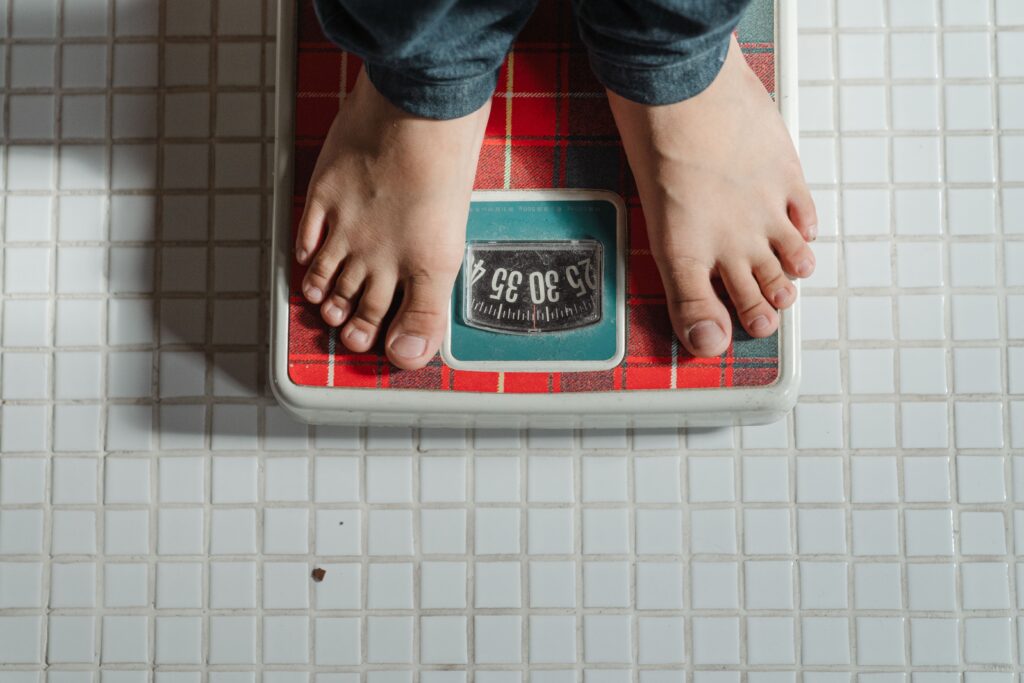
If you have tried to lose weight before and stopped, there is a good chance it was not simply about willpower. Knee pain that flares up after a few days of walking, an old back injury that a generic gym routine aggravates, or uncertainty about how to start safely after years without regular exercise can all make it difficult to stay consistent.
This is where a physiotherapist can help. Through our physiotherapy treatment services, we support patients with personalised exercise and rehabilitation programmes based on their individual movement, pain history and physical needs.
This article explains what weight loss physiotherapy actually involves and who may benefit from a physiotherapy-led approach. It is written for people whose previous attempts have been affected by pain, injury or uncertainty about how to exercise safely, rather than anyone looking for a quick fix.
What Does Weight Loss Physiotherapy Actually Mean?
Weight loss physiotherapy is not a treatment that burns fat on its own, and any programme that claims otherwise is overselling what physiotherapy can do. Instead, it focuses on helping you move and exercise safely by assessing how your body moves, identifying factors that may be causing pain or limiting activity, and building an exercise programme suited to your starting point.
For many people, this can make it easier to exercise consistently without aggravating an existing problem or taking on more than their body is ready for.
Consistency is often more important than starting at a high intensity. Someone who can exercise regularly at a manageable level over time is more likely to build a sustainable routine than someone who starts too aggressively, experiences pain or injury, and stops within a few weeks.
It is also important to understand the scope of physiotherapy. A physiotherapist is not a dietitian, and long-term weight management often involves both suitable movement and appropriate nutrition. A physiotherapy-led programme focuses on the movement side while working alongside or referring to qualified nutrition professionals when dietary guidance is needed.
Why Body Weight and Joint Pain Are Connected
Every step places load through the knees, hips and lower back, and this load can increase with body weight. This is one reason joint pain and excess body weight are often linked, particularly when it comes to the knees.
However, the relationship is more complex than simply assuming that more body weight means proportionally more strain. How you walk, your muscle strength and your movement patterns can all influence how load is distributed through your joints.
This is why a carefully progressed exercise programme can be particularly helpful for people with existing joint pain or reduced exercise tolerance. Starting with lower-impact movement and gradually building strength may be more appropriate than immediately beginning high-impact exercise.
Who Can Benefit From Weight Loss Physiotherapy?
A physiotherapy-led approach may be particularly useful if you:
- Experience joint pain in the knees, hips or lower back during or after exercise
- Have a previous injury that you are concerned about aggravating
- Have stopped exercising in the past because of pain or discomfort
- Have a sedentary job and have not exercised regularly for a long time
- Are unsure how to start exercising safely and would prefer professional guidance
If none of these apply to you, a general fitness programme may suit you well. However, if pain, injury history or uncertainty has repeatedly made it difficult to exercise consistently, a professionally guided approach may provide a more suitable starting point.
How a Safe, Structured Programme Typically Progresses
A well-designed weight management exercise programme usually progresses through stages rather than treating every session the same from the beginning.
Early sessions may focus on building a foundation, improving movement patterns and introducing lower-impact exercise that helps build confidence without placing unnecessary stress on the joints.
As strength and exercise tolerance improve, the programme can gradually progress to more varied and demanding activities. Progression should be guided by how your body responds rather than following a fixed calendar.
Later stages focus on maintaining what you have built and integrating regular movement into daily life. The goal is not simply to complete a short programme but to develop an exercise routine that can be sustained over time.
This type of staged progression is a core part of how our own VFex programme is structured. Our weight loss physiotherapy programme follows this approach by starting with an individual assessment and progressing exercise based on each person’s movement, tolerance and goals.
Where Nutrition Fits In
Movement alone does not tell the whole story when it comes to weight management. Nutrition also plays an important role.
This article does not provide specific dietary recommendations or calorie targets because nutrition guidance should be personalised by a qualified professional who understands your individual health history and needs.
What is worth knowing is that a comprehensive weight management approach considers both movement and nutrition. If a programme only addresses exercise, it may be worth asking whether appropriate nutrition support is also available.
Signs You May Benefit From a Physiotherapy-Led Weight Loss Programme
It can be difficult to know whether this approach is right for you. You may benefit from professional guidance if:
- Walking, climbing stairs or standing for long periods causes joint discomfort
- An old injury makes you hesitant to try certain types of exercise
- You have started and stopped exercise programmes because something began to hurt
- You sit for most of your working day and are unsure how to safely become more active
- You prefer professional supervision rather than figuring out an exercise programme alone
How Shanthi Priya Supports Safe Weight Management in Madurai
At Shanthi Priya Clinic in Madurai, our VFex programme is designed by physiotherapists rather than based on a standard gym template. Every participant is assessed individually so that the starting point and progression can reflect their current movement, pain history and personal goals.
The programme also includes nutrition guidance from a qualified dietitian, allowing the movement and nutrition aspects of weight management to be addressed together.
Getting Started
If pain, an old injury or uncertainty about how to start safely has held you back before, that is not necessarily a personal failing. It may simply mean that the approach was not the right fit for your body and starting point.
At Shanthi Priya Clinic in Madurai, exercise programmes are built around what your body can manage now and progressed from there. If you would like to discuss where to start, you are welcome to book a consultation with our team.
Frequently Asked Questions
Can physiotherapy alone help me lose weight?
Physiotherapy does not directly cause weight loss. It can help you exercise more safely and consistently, particularly when pain, a previous injury or movement difficulties have made it harder to maintain an exercise routine. Weight management may also involve nutrition and other lifestyle factors.
Is weight loss physiotherapy safe if I have knee or back pain?
Weight loss physiotherapy can be particularly useful if you have knee or back pain because a physiotherapist can assess your symptoms and adapt exercises accordingly. The programme may begin with lower-impact movement and progress based on how your body responds.
Do I need to be very unfit or overweight to benefit from weight loss physiotherapy?
No. This approach can suit anyone who wants professional guidance to exercise safely. This may include people with joint pain, a previous injury, a long break from exercise or those who simply prefer expert supervision.
How is a physiotherapist involved in a weight loss programme if they are not a dietitian?
A physiotherapist can assess your movement, address factors affecting pain or injury risk, and design a safe and progressive exercise programme. Nutrition guidance is a separate area of expertise, which is why a comprehensive weight management programme may involve both physiotherapy and a qualified nutrition professional.
What should I expect in my first weight loss physiotherapy assessment?
A first assessment typically includes a discussion about your health history, current pain, previous injuries and personal goals. Your physiotherapist may also assess your movement and strength to develop a starting exercise programme suited to your current abilities.

- Postnatal Physiotherapy: A Complete Recovery Timeline for New Mothers - September 16, 2026
- What Is Weight Loss Physiotherapy and Who Actually Needs It? - September 16, 2026
- Rheumatoid Arthritis or Osteoarthritis: How Physiotherapy Treatment Differs - August 27, 2026