

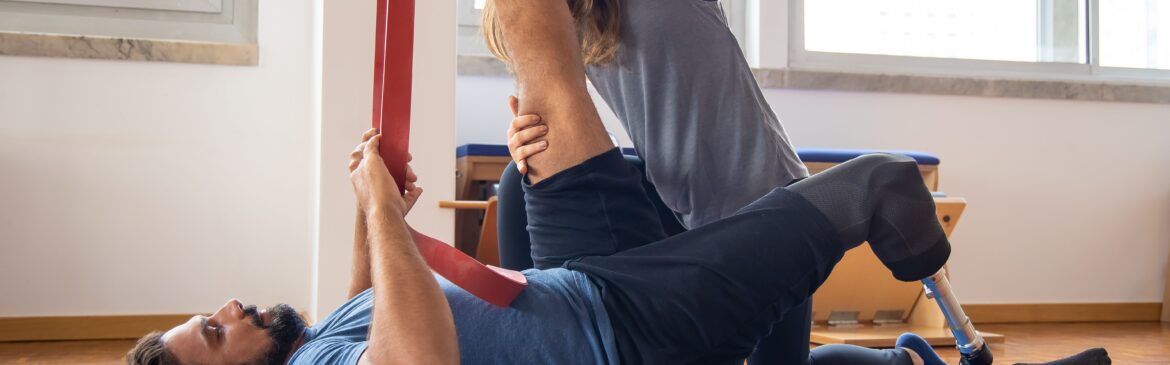
ACL rehabilitation is a staged physiotherapy programme that restores movement, strength and control to the knee after an anterior cruciate ligament injury or reconstruction. This guide from Shanthi Priya, a physiotherapy clinic in Madurai, explains what ACL rehabilitation exercises look like at each phase and how a physiotherapist decides when it is time to move forward. It also addresses a common misunderstanding about recovery that shapes how many people approach their first few weeks.
Every knee and every sport is different, so the phases below describe a general pathway rather than a fixed schedule. Your orthopaedic surgeon’s instructions always come first, and a physiotherapist adapts the programme around them.
What the ACL Does and Why Rehabilitation Matters
The anterior cruciate ligament, or ACL, is one of the main ligaments inside the knee. It limits how far the shin bone can slide forward under the thigh bone and helps keep the knee steady during twisting, pivoting and landing. This is why ACL injuries are commonly linked to sports that involve sudden stops and changes of direction, such as football, kabaddi, volleyball and basketball.
Surgery reconstructs the ligament, but it does not restore strength, balance or movement control on its own. Those qualities are rebuilt through rehabilitation, which is why the exercises after surgery are an essential part of recovery.
Not every painful knee is an ACL injury, because meniscal tears and other problems can feel similar after a twist or a fall. Our guide on when physiotherapy helps and when you need something else first explains how the common causes of knee pain differ.
A Common Misunderstanding: Less Pain Does Not Mean a Recovered Knee
Many people believe that recovery from an ACL injury or surgery is mainly about reducing pain and getting the knee moving again. Once the pain eases and the knee bends well, it is natural to feel that the knee has recovered. Some people then return to running, jumping and sudden changes of direction without a proper strengthening programme, which can lead to re-injury. Strength, balance, landing control and confidence take longer to rebuild, which is why rehabilitation continues after the knee feels comfortable in everyday life.
What We Do in the First Session
In the first session at our clinic, the physiotherapist explains the ACL rehabilitation programme and carries out a thorough assessment. The assessment looks at the following:
- Pain, including where it is felt and what aggravates it
- Swelling around the knee
- Range of movement (ROM), meaning how far the knee can bend and straighten
- Gait, meaning the way you walk
- Functional limitation, meaning which everyday or sport-related activities the knee currently restricts
From these findings, the physiotherapist plans the treatment protocol and educates you about the rehabilitation programme and the importance of performing the exercises consistently. We also explain that the chance of re-injury is higher if the exercise programme is not followed properly. Recovery takes time, and the aim of the first session is for you to understand the plan and feel confident about the sessions ahead. Where travelling to the clinic is difficult in the early weeks after surgery, physiotherapy at home can be arranged in Madurai.
ACL Rehabilitation Exercises Phase by Phase
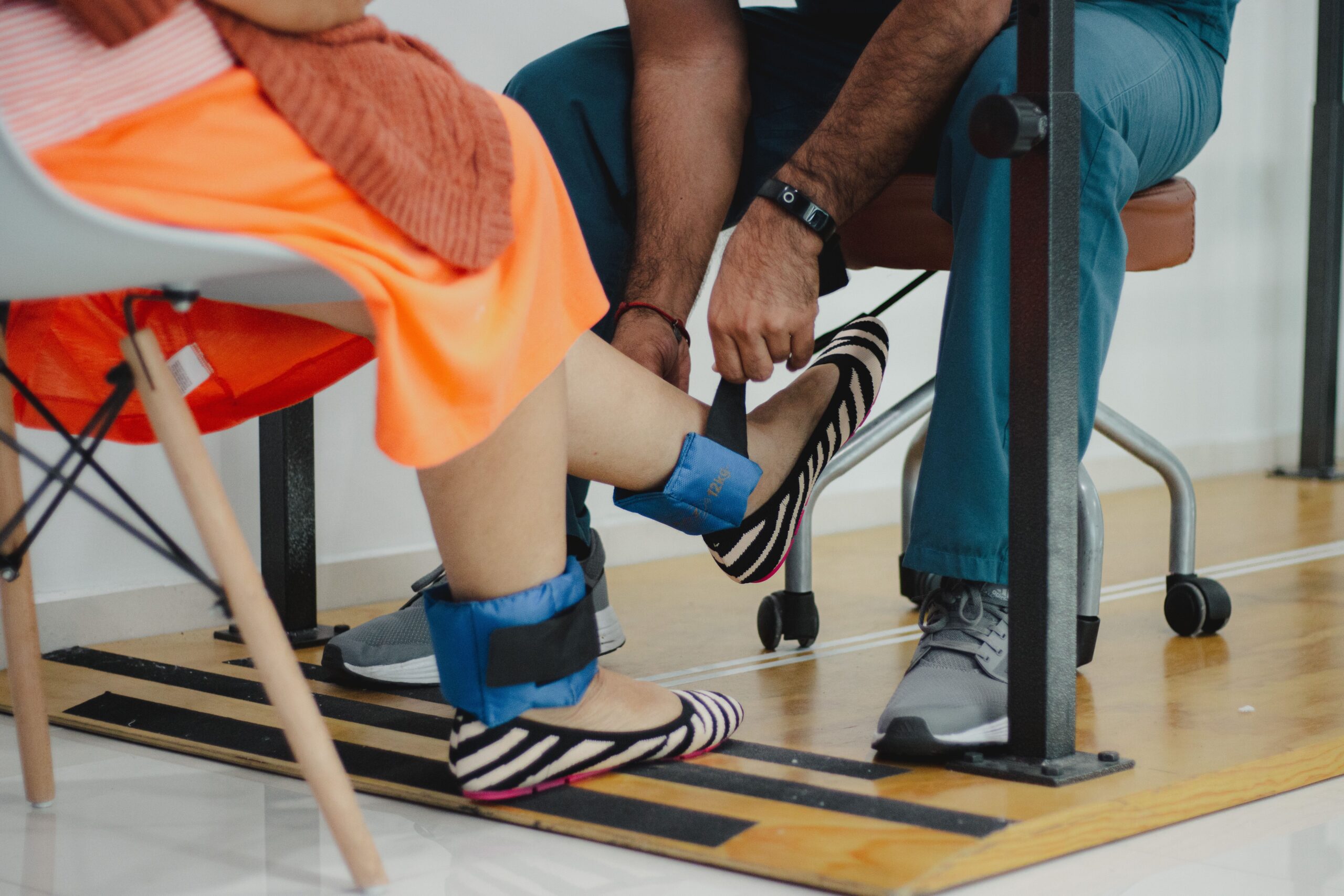
The exercises below are general guidance and not a substitute for an assessment, so please have a physiotherapist check which of them suit your knee and your surgeon’s protocol. Moving to the next phase depends on how your knee responds and how safely you can perform each exercise, not on the number of days since surgery.
Phase 1: Early Movement and Protection
The first phase focuses on settling swelling, regaining full knee extension, activating the thigh muscles and restoring a normal walking pattern. Early exercises are gentle and commonly include ankle pumps, heel slides, quadriceps sets, and straight leg raises once you can lift the leg without the knee bending.
Phase 2: Progressive Strengthening
Once swelling is controlled and the knee moves freely, the programme builds strength gradually. Typical exercises include bridges, mini squats, step-ups, calf raises, hamstring work and stationary cycling, with balance exercises such as standing on one leg added alongside. Some exercises are delayed or modified depending on the type of graft and your surgeon’s protocol, which is one reason a generic exercise sheet is rarely enough.
Phase 3: Control, Balance and Landing
This phase trains the knee to stay stable when it is moving quickly or carrying more load. Exercises progress to step-downs, split squats, single-leg balance on softer surfaces, side-to-side stepping and controlled landing from a low step. If the knee meets the strength and control requirements set for this stage, straight-line running may then be introduced gradually.
Phase 4: Plyometrics and Sport-Specific Training
Plyometrics are jumping and hopping exercises that train the knee to absorb and produce force quickly, and they play an important role before going back to sport. After that, sport-specific drills such as cutting, pivoting and ball work are added in a graded order, which is the focus of our sports injury physiotherapy in Madurai. The knee meets the demands of the sport in small steps before any competition.
Why Plyometrics Come Late
Jumping and landing place considerable force through the knee, and that force has to be absorbed by the muscles rather than by the healing structures. Introducing these drills in sequence, once strength is adequate, is part of how the knee is protected.
How We Decide Someone Is Ready to Return to Sport
Our approach to ACL rehabilitation is not based on one common protocol for every injury. We assess each patient thoroughly and plan the treatment around their requirements and function, moving from early mobility to progressive strengthening. Exercises are progressed according to the patient’s response and their ability to perform them safely.
The Physical Checks
Before a return to sport, we assess several things together. These include full range of movement, any swelling in the knee, adequate strength, performance on functional hop tests and the specific demands of the sport. A cricketer, a kabaddi player and a recreational runner place different demands on the knee, so the same results can mean different things for each of them.
A Gradual Return and Psychological Readiness
Passing the physical checks does not mean going straight back to competition. A gradual return to training comes first, with functional and clinical assessment guiding each step, and psychological readiness is considered as well because confidence in the knee affects how a person moves. We also educate patients about the injury, how it happened and the preventive measures that can lower the chance of a repeat.
Keeping Up the Exercises Between Sessions
Much of ACL rehabilitation happens between appointments, so a home exercise programme is built around what you can carry out safely at home. Consistency matters more than intensity, because regular exercise at the level set for your current phase builds the strength the knee will rely on later. Increasing swelling, worsening pain or a feeling that the knee is giving way should be reported to your surgeon or physiotherapist, and a calf that becomes painful, swollen and warm needs urgent medical review. If you are unsure whether your current exercises suit your phase, you can contact the clinic to arrange an assessment.
Your Next Step if You Are Preparing for Surgery or Already Recovering
If you are preparing for ACL surgery, or you are partway through recovery and unsure whether your exercises are the right ones, an assessment can set out where your knee stands and what comes next. Shanthi Priya was established in 2017 and has supported more than 25,000 patients since then across its physiotherapy services. The clinic builds each rehabilitation plan around the individual knee and the sport it is returning to.
Frequently Asked Questions
What are the main ACL rehabilitation exercises after surgery?
ACL rehabilitation exercises usually begin with knee extension and thigh muscle activation, progress to strengthening and balance work, and finish with landing, hopping and sport-specific drills. The order and the exact exercises depend on your graft type, your surgeon’s protocol and how your knee responds. A physiotherapist should confirm which exercises suit you before you start.
How long does ACL rehabilitation take?
There is no single timeline, because progress depends on how your knee responds, how safely you can perform the exercises and what your sport demands. Moving through the phases is guided by the knee’s strength, movement and control rather than by the calendar. Recovery takes time, and a physiotherapist can discuss what to expect for your own situation after an assessment.
When can I return to sport after ACL surgery?
A return to sport depends on meeting physical and functional checks, such as full range of movement, no swelling, adequate strength and good performance on functional hop tests, rather than on a set date. A gradual return to training comes before any competition. Psychological readiness is considered alongside the physical checks.
Do all ACL injuries need surgery?
No, not every ACL injury needs surgery, and the decision is made with an orthopaedic surgeon. It depends on factors such as how stable the knee is, other injuries inside the knee and the demands you place on it. Rehabilitation is important whether or not surgery is chosen.
Why do I still need strengthening exercises when my knee no longer hurts?
Pain settling does not mean the knee has regained the strength and control needed for running, jumping and sudden changes of direction. Returning to those activities without a proper strengthening programme can lead to re-injury. Strengthening continues until the knee can cope with the demands of your activities.
What are plyometric exercises and why do they come late in ACL rehabilitation?
Plyometric exercises are jumping and hopping movements that train the knee to absorb and produce force quickly. They come late because the knee needs adequate strength and control before it can manage them. They play an important role in preparing the knee for sport.
Can I do ACL rehabilitation exercises at home?
Yes, many ACL rehabilitation exercises are carried out at home between sessions, as long as they follow the programme your physiotherapist has set for your phase. Consistency with the home programme matters because so much of the rehabilitation happens between appointments. If travelling to the clinic is difficult, physiotherapy at home can be arranged.

- Physiotherapy for Sciatica: What Actually Helps and What Makes It Worse - November 10, 2026
- ACL Rehabilitation Exercises After Surgery: What Each Phase of Physiotherapy Involves - November 10, 2026
- Knee Pain: When Physiotherapy Helps, and When You Need Something Else First - October 8, 2026