


After surgery, it is normal to feel stiff, weak, and unsure about moving the “right way”. Many people also struggle with travel, stairs, and long waiting times when they are still in the early recovery phase.
Home physiotherapy brings structured rehabilitation to your own environment. It allows personalised care, safer practice of real-life movements, and a plan that helps you regain function faster and more confidently.
What Post-Surgery Recovery Really Needs (Beyond Rest)
Why movement matters after surgery
Rest is important, but too much rest can slow recovery. After surgery, the body needs the right amount of movement to rebuild strength and function.
Safe movement helps:
- Reduce stiffness in joints and surrounding muscles
- Improve circulation, which supports healing
- Reduce swelling through gentle muscle activity
- Prevent deconditioning, especially after bed rest
- Rebuild confidence in walking and daily movement
The key is not doing more. It is doing the right things at the right stage.
Common challenges during early recovery
Many people face similar barriers in the first few weeks:
- Pain and fear of re-injury, which leads to guarded movement
- Weakness and poor balance, especially after lower limb surgery
- Difficulty getting in and out of bed, chairs, or the toilet
- Dependence on family members for basic tasks
- Trouble travelling for rehab sessions, especially with stairs and long car rides
These challenges are exactly where home physiotherapy can make a real difference. Our experienced physiotherapy clinic team ensures every exercise is safe and effective.
Why Home Physiotherapy Makes a Difference

Personalised care in your real environment
Clinic exercises are helpful, but recovery happens in real life. At home, therapy can be tailored to the exact movements you need daily.
Home physiotherapy allows:
- Practice with your own bed height, sofa, and chairs
- Safer training for bathroom movement and transfers
- Stair practice using your actual staircase if you have one
- Guidance on walking paths inside your home
- Adjustments based on your space, footwear, and daily routine
This makes rehab more practical and often more effective because it matches your real needs.
Better consistency and fewer missed sessions
Consistency is a big factor in recovery. When sessions are missed, progress can slow, and stiffness can return.
Home sessions support consistency because:
- There is no travel time or transport stress
- Scheduling is easier for families and caregivers
- You are more likely to follow through when support comes to you
- The physiotherapist can monitor your home exercise routine closely
For many people, fewer missed sessions means smoother progress.
Faster Functional Recovery
“Functional recovery” means getting back to the movements that matter to you, not just doing exercises.
Getting back to daily activities sooner
Home physiotherapy focuses on the basics that make you independent again:
- Walking confidently indoors without holding onto furniture
- Standing up from a chair with better control
- Getting in and out of bed with less strain
- Using the toilet safely and comfortably
- Showering and dressing with fewer compensations
- Climbing stairs safely if needed
These are the milestones that often matter most after surgery.
Strength and balance rebuilding
After surgery, muscles around the operated area often become weaker quickly. Balance can also drop, especially if you have been resting more.
A home programme typically targets:
- Strength around the operated joint or region
- Core stability to support posture and movement
- Balance training to reduce fall risk
- Walking pattern retraining so you do not develop a limp
- Endurance building so you can tolerate longer activity
Progression is done step-by-step, based on your symptoms and confidence.
Pain, Swelling, and Scar Care Support at Home
Managing pain without over-relying on rest
Pain can make people stop moving completely, which often increases stiffness. Home physiotherapy supports pain management through safe movement and pacing.
This may include:
- Gentle mobility work to keep joints moving
- Positioning advice for comfort during rest
- Activity pacing so you do not overdo it on “good days”
- Breathing and relaxation strategies to reduce muscle guarding
The goal is to keep you moving within a safe range, not push through pain.
Swelling management and circulation
Swelling is common after many surgeries, especially in the lower limb. It can limit movement and make the joint feel heavy.
A physiotherapist can guide:
- Elevation strategies that actually work
- Gentle ankle pumps and circulation drills
- Walking progression to improve fluid movement
- Simple checks to monitor swelling patterns
You also learn what is expected in recovery and what changes should be flagged early.
Scar and tissue mobility (when appropriate)
Scar tightness can affect movement quality, depending on the surgery and location. Home physiotherapy can provide guidance on when and how to start scar care, based on your stage of healing and medical instructions.
Support may include:
- Gentle guidance on scar mobility timing
- Reducing tightness around the area as healing progresses
- Improving movement patterns so you do not compensate
This is always done carefully and only when appropriate.
Safety and Confidence (Especially for Seniors)
Fall risk reduction at home
After surgery, the home environment can become riskier, especially for seniors.
Home physiotherapy can include a simple safety review such as:
- Removing loose rugs and clutter in walking paths
- Improving lighting in hallways and bathrooms
- Setting up stable chairs with armrests
- Adjusting bathroom setup for safer showering
- Training on safe use of walking aids if required
Small changes can prevent big setbacks.
Correct technique prevents setbacks
Many setbacks happen when people move in a way that overloads the healing area. Home physiotherapy helps you learn correct technique early.
This includes:
- Safe sit-to-stand technique
- Safe stair technique if needed
- Correct walking pattern and posture
- Proper pacing so you do not spike activity suddenly
- Knowing when to progress and when to hold
Confidence improves when you know what is safe and why.
What a Home Physiotherapy Session Typically Includes
Assessment and goal setting
A session usually starts with understanding your current stage and goals.
Common checks include:
- Pain level and how it changes through the day
- Swelling patterns
- Range of motion and stiffness
- Strength and control
- Walking pattern and balance
- Functional tasks like standing, transfers, and stairs
Goals are then set based on what matters to you, such as walking independently, returning to work, or managing stairs.
Progressive rehab plan
A good plan changes as you improve.
It often follows phases:
- Early phase: swelling control, gentle mobility, basic strength, safe walking
- Mid phase: stronger strengthening, balance work, endurance building, better movement quality
- Later phase: higher function, return to work tasks, return to sport preparation if relevant
Home exercises are usually kept simple, with clear instructions and progression.
Who Benefits Most From Home Physiotherapy?
Common surgeries where home rehab helps
Home physiotherapy is commonly used after:
- Knee replacement and hip replacement
- ACL or meniscus surgery
- Shoulder surgery
- Fracture recovery
- Certain spine surgeries, depending on medical guidance
The key is having a plan that matches the surgery type and your stage of healing.
People who may prefer home-based care
Home physiotherapy can be especially helpful for:
- Seniors or anyone with limited mobility
- People with transport barriers or pain during travel
- Busy families who need flexible scheduling
- People who feel anxious about moving and want close guidance
- Caregivers who want clear instructions on safe support
When to Start and How to Choose the Right Provider
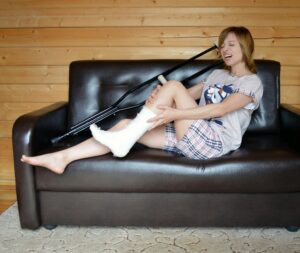
When to begin home physiotherapy
Start timing depends on the surgery and medical instructions, but many people benefit from early guidance soon after discharge.
A practical approach:
- Follow your surgeon’s or hospital instructions first
- Begin with gentle mobility and safe walking guidance
- Build a structured plan for the first 2 to 6 weeks
- Progress gradually rather than rushing
Early support often prevents bad habits like limping, stiffness build-up, or fear of movement. For patients who are able to travel to the clinic, the same staged programme is available as clinic-based post-operative physiotherapy in Madurai.
What to ask your physiotherapist
Choosing the right provider matters. You can ask:
- Have you managed recovery for this type of surgery before?
- How do you progress exercises safely week by week?
- What should I do during a flare-up or pain spike?
- Will I get a clear home exercise programme?
- How will we measure progress and milestones?
Clear answers usually reflect a clear plan.To get personalised guidance tailored to your home and recovery needs, you can contact us today.
FAQs
Is home physiotherapy effective after surgery?
Yes, for many people it is effective because it is personalised to your home environment and focuses on functional movements you need daily. Consistency also tends to be better.
How soon can I start physiotherapy after surgery?
It depends on the surgery type and medical instructions. Many people start with gentle guidance soon after discharge, then progress as healing allows.
How many home physio sessions do I need after surgery?
This varies by surgery, age, and goals. Some people need a short burst of sessions to learn the plan, while others benefit from ongoing progression over several weeks.
What exercises are safe after surgery at home?
Safe exercises depend on your surgery and stage of healing. A physiotherapist will usually start with gentle mobility, circulation work, and basic strengthening, then progress gradually.
When should I stop physiotherapy after surgery?
You can usually reduce or stop when you can manage daily activities confidently, your strength and mobility have improved, and you can continue a home programme independently with good technique.

- Postnatal Physiotherapy: A Complete Recovery Timeline for New Mothers - September 16, 2026
- What Is Weight Loss Physiotherapy and Who Actually Needs It? - September 16, 2026
- Rheumatoid Arthritis or Osteoarthritis: How Physiotherapy Treatment Differs - August 27, 2026