

When you are in pain, it is normal to want quick relief. Hands-on treatment can help you feel looser and more comfortable, especially when stiffness or muscle tension is limiting your movement. At our physiotherapy centre in Madurai, we combine these hands-on techniques with guided exercises so you get both immediate relief and long-term improvement.
Lasting recovery usually comes from restoring strength, mobility, and control through the right exercises. That is why manual therapy and exercise are often used together. This approach helps you move more freely, rebuild muscle balance, and prevent future pain—all tailored to your body’s needs.
What Is Manual Therapy?
Manual therapy refers to hands-on techniques used by a physiotherapist to help reduce pain and improve movement. It is not about forcing your body. It is usually gentle, controlled, and adjusted to your comfort level.
Common hands-on techniques used in physiotherapy
Depending on your condition, manual therapy may include:
- Joint mobilisation: gentle movements to improve joint stiffness and range
- Soft tissue techniques: working on muscles and connective tissue to reduce tightness
- Trigger point release: targeting sensitive muscle points that refer pain
- Assisted stretching: guided movement to improve flexibility safely
The exact technique depends on your symptoms, movement pattern, and how your body responds.
What manual therapy is meant to do
Manual therapy is often used to:
- Reduce stiffness and improve range of motion
- Calm pain sensitivity and muscle guarding
- Improve short-term comfort so you can move more freely
- Help you feel more confident starting exercises
It can be especially helpful when pain is stopping you from moving normally.
What Are Therapeutic Exercises?
Therapeutic exercises are targeted movements designed to improve how your body functions. They are not random workouts. They are chosen based on what your body needs.
Exercise is not just “gym workouts”
In physiotherapy, exercises can include:
- Mobility drills to restore joint movement
- Strengthening the muscles that support painful areas
- Control and stability training to improve coordination and reduce strain
- Functional training for daily tasks like lifting, walking, or climbing stairs
Good exercises should feel purposeful and match your goals.
What exercises are meant to do
Exercises help you create long-term change by:
- Building strength and resilience in the right muscles
- Improving posture and movement patterns
- Reducing recurrence of pain by addressing contributing factors
- Supporting long-term independence, not just short-term relief
If manual therapy helps you feel better today, exercise helps you stay better.
Why Manual Therapy Alone Is Not Enough for Most People
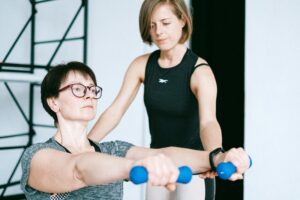
Manual therapy can be very effective for symptom relief. But for many people, pain comes back if the underlying movement and strength issues are not addressed.
Relief vs long-term change
Manual therapy can:
- Reduce symptoms
- Improve movement temporarily
- Make you feel looser and more comfortable
But without exercise:
- Weak muscles stay weak
- Stiffness can return
- Old habits and movement patterns continue
- The painful area may keep getting overloaded
That is why many treatment plans combine both.
Common reasons pain comes back
Pain often returns because of:
- Weak support muscles around the spine, hips, shoulders, or knees
- Poor movement habits at work or at home
- Repetitive strain from long sitting, lifting, or one-sided loading
- Low recovery, poor sleep, and high stress
- Returning to activity too quickly without rebuilding capacity
Manual therapy can reduce the symptoms, but exercise builds the capacity to handle daily life again.
Why Combining Manual Therapy and Exercise Works Better
A combined approach often works well because each method supports the other.
Manual therapy helps you move with less pain
When pain is high, people tend to move less and guard the area. Manual therapy can help reduce that guarding.
It may support exercise by:
- Improving range of motion so exercises feel smoother
- Reducing muscle tension that limits movement
- Making it easier to activate the right muscles
- Increasing confidence to move without fear
This can be especially useful in the early phase of recovery. For comprehensive guidance on managing pain effectively, our physiotherapy and pain management clinic offers tailored treatments to get you moving safely.
Exercise helps you keep the gains
Exercise helps maintain and build on the improvements you get from hands-on work.
It supports long-term recovery by:
- Strengthening muscles that stabilise joints
- Improving control so you move with less strain
- Reducing stiffness returning by maintaining mobility
- Building tolerance for daily tasks and activity
In simple terms, manual therapy opens the door, and exercise helps you walk through it.
What a Combined Treatment Plan Looks Like
A good plan changes as you improve. It is not the same session every time.
Early phase (pain relief and gentle movement)
In the early stage, the focus is often on reducing pain and restoring basic movement.
You may see:
- Hands-on work to reduce stiffness and improve comfort
- Gentle mobility drills for the painful area
- Breathing and relaxation strategies to reduce tension
- Simple activation exercises to wake up key muscles
This phase is about getting you moving safely again.
Mid phase (strength and control building)
Once pain is more manageable, the plan usually shifts towards building strength and movement quality.
This may include:
- Progressive strengthening with clear technique cues
- Control and stability work for posture and joint support
- Movement retraining for daily tasks like bending, lifting, or reaching
- Gradual increase in walking, stairs, or functional tolerance
This is where long-term improvement is built.
Later phase (return to activity and prevention)
In the later stage, the goal is to return you to the activities you care about and reduce the risk of recurrence.
This may include:
- Higher load strengthening where appropriate
- Endurance and balance training
- Return-to-work conditioning for physical jobs
- Return-to-sport preparation for active individuals
- A prevention plan that fits your routine
The goal is not only to be pain-free. It is being confident and capable.
Conditions That Often Benefit From This Combination
Many conditions respond well to a combined approach, especially when pain is linked to both stiffness and weakness.
Common examples include:
- Neck and back pain from posture and prolonged sitting
- Shoulder pain and stiffness, including rotator cuff-related issues
- Knee pain and early arthritis where strength support matters
- Sports strains and overuse injuries
- Post-surgery stiffness, when movement needs to be rebuilt progressively
The best plan is always personalised, based on assessment and your goals.
How to Get the Most Out of Your Sessions
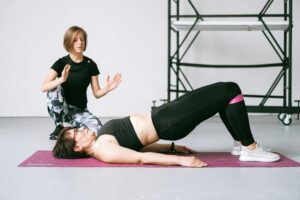
What to do between sessions
What you do between sessions often determines how fast you progress.
Helpful habits:
- Follow your home exercises consistently, even if it is only 10 minutes
- Use pacing, especially on good days, so you do not trigger a flare-up
- Track triggers like long sitting, poor sleep, or sudden activity spikes
- Focus on technique, not just completing reps
Small daily consistency usually beats occasional intense effort.
What to ask your physiotherapist
If you want clarity and better results, ask:
- Which movements should I avoid temporarily, and for how long?
- What is the goal of each exercise, and what should it feel like?
- How do I progress safely week by week?
- What should I do if pain increases after exercise?
- What are realistic milestones for my condition?
Clear answers usually mean the plan is structured and tailored. Clear answers usually mean the plan is structured and tailored. For personalised guidance and to discuss your recovery plan, you can contact us directly.
FAQs
Is manual therapy better than exercise for pain relief?
Manual therapy can provide faster short-term relief for some people, especially when stiffness is high. Exercise is usually more important for long-term improvement and preventing pain from returning.
How many sessions of manual therapy do I need?
It depends on your condition and how your body responds. Some people feel improvement within a few sessions, while others need a longer plan combined with exercise progression.
Can manual therapy fix the root cause of pain?
Manual therapy can reduce symptoms and improve movement, but the root cause often includes strength, control, posture, and daily habits. Exercise and habit changes are usually needed for lasting results.
What exercises help after manual therapy?
Exercises often focus on mobility, gentle activation, and strengthening for support muscles. Your physiotherapist will choose exercises based on your assessment and goals.
Is manual therapy safe for back and neck pain?
For many people, it is safe when performed by a trained physiotherapist and tailored to your condition. It should be comfortable and controlled, not forced or aggressive.

- Postnatal Physiotherapy: A Complete Recovery Timeline for New Mothers - September 16, 2026
- What Is Weight Loss Physiotherapy and Who Actually Needs It? - September 16, 2026
- Rheumatoid Arthritis or Osteoarthritis: How Physiotherapy Treatment Differs - August 27, 2026