
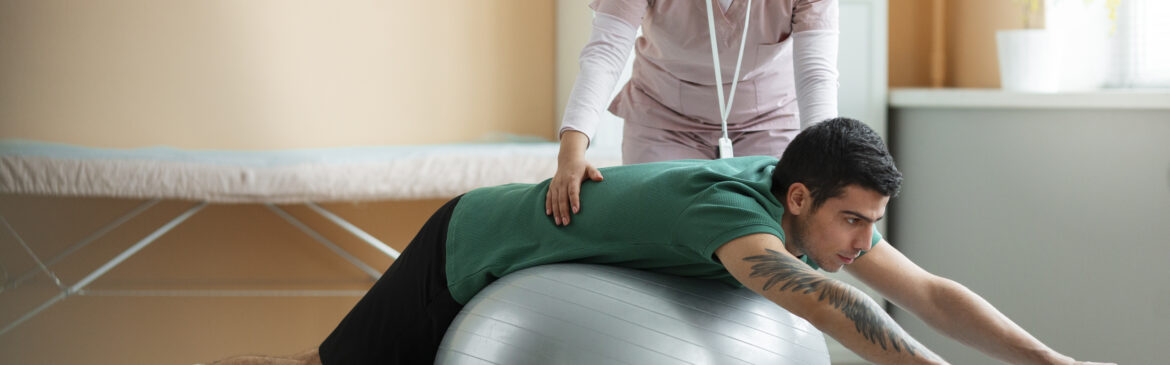
Dizziness, vertigo, and balance problems are becoming increasingly common among people in India across all age groups. These symptoms can affect daily life, making simple activities like walking, working, or even turning your head feel uncomfortable or unsafe.
Vestibular rehabilitation is a specialised, exercise-based therapy designed to help the body and brain regain balance control. It is widely recommended by ENT specialists and physiotherapists, often through a trusted physiotherapy clinic, for patients with vestibular disorders.
This article explains what vestibular rehabilitation is, how it works, and who may benefit from it.
What Is Vestibular Rehabilitation Therapy
Vestibular rehabilitation therapy is a structured form of physiotherapy that focuses on improving balance and reducing dizziness caused by inner ear or vestibular system problems.
- Designed for balance and dizziness disorders
- Uses specific head, eye, and body exercises
- Helps retrain the brain’s balance system
How It Works
The vestibular system in the inner ear communicates with the brain to maintain balance. When this system is disrupted, dizziness and imbalance occur.
Vestibular rehabilitation helps by:
- Training the brain to adapt to incorrect balance signals
- Improving coordination between eyes, inner ear, and muscles
- Reducing sensitivity to movement that triggers dizziness
Over time, the brain learns to compensate, reducing symptoms.
What Causes Vestibular Disorders
Inner Ear Conditions
Most vestibular problems originate in the inner ear.
- Benign Paroxysmal Positional Vertigo (BPPV)
- Labyrinthitis (inner ear infection)
- Vestibular neuritis (nerve inflammation)
Other Medical Causes
Some conditions outside the ear can also affect balance.
- Head injury or trauma
- Age-related degeneration
- Neurological disorders affecting balance pathways
Lifestyle and Triggers
Certain factors may worsen symptoms.
- High stress or anxiety
- Sedentary lifestyle
- Side effects of certain medications
Who Needs Vestibular Rehabilitation Therapy
Patients with Chronic Dizziness
People who experience ongoing symptoms may benefit most.
- Frequent spinning sensation (vertigo)
- Repeated dizziness episodes
- Difficulty maintaining balance
Post-Injury or Surgery Patients
Vestibular rehabilitation is often recommended during recovery.
- Head injury recovery cases
- Post ear surgery rehabilitation
- Temporary balance loss after illness
Elderly Individuals with Balance Issues
Older adults are more prone to balance problems.
- Age-related vestibular decline
- Increased fall risk
- Reduced coordination and stability
Common Symptoms That Indicate Vestibular Problems
Balance Related Symptoms
- Unsteady walking or standing
- Frequent stumbling or falls
- Difficulty walking in the dark or on uneven surfaces
Dizziness Symptoms
- Spinning sensation (vertigo)
- Lightheadedness or a floating feeling
- Sudden imbalance episodes
Associated Symptoms
- Nausea or vomiting with dizziness
- Blurred vision when moving the head
- Difficulty focusing or concentrating
Types of Vestibular Rehabilitation Exercises
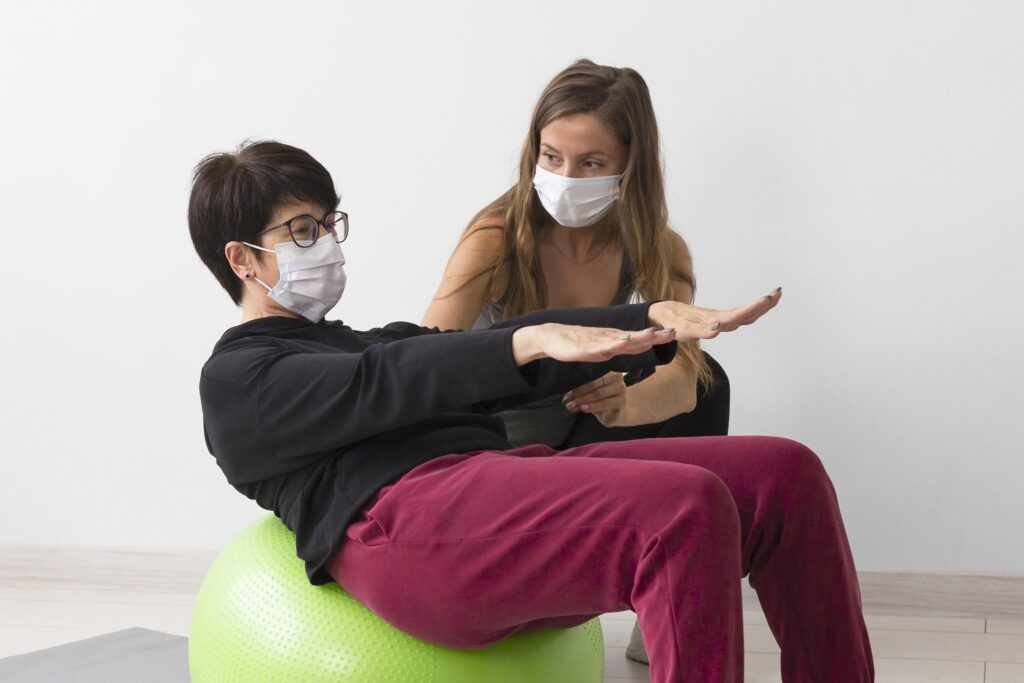
Gaze Stabilisation Exercises
These exercises improve visual stability during movement.
- Focus on a fixed point while moving the head
- Helps reduce blurred vision during motion
- Improves coordination between the eyes and the inner ear
Balance Training Exercises
These exercises strengthen body stability.
- Standing on one leg
- Walking in straight lines
- Gradual progression to more complex movements
Habituation Exercises
These help reduce dizziness triggers.
- Repeated exposure to movement that causes symptoms
- Helps the brain adjust over time
- Reduces sensitivity to motion
Benefits of Vestibular Rehabilitation Therapy
Reduces Dizziness
- Decreases the frequency of vertigo episodes
- Lowers the intensity of the spinning sensation
- Improves daily comfort
Improves Balance and Stability
- Reduces risk of falls
- Enhances walking confidence
- Improves coordination
Improves Quality of Life
- Restores independence in daily activities
- Reduces fear of movement
- Supports mental wellbeing
What to Expect During Vestibular Rehabilitation
Initial Assessment
A specialist will begin with a detailed evaluation.
- Medical history review
- Balance and coordination testing
- Symptom analysis
Personalised Exercise Plan
Each patient receives a customised program.
- Based on severity and condition
- Includes specific exercises for symptoms
- Progressively adjusted over time
Regular Follow Ups
Progress is closely monitored.
- Assessment of symptom improvement
- Adjustment of exercise difficulty
- Guidance for home practice
How Long Does Vestibular Rehabilitation Take
Recovery time varies from person to person.
- Mild cases may improve within weeks
- Moderate conditions may take several months
- Chronic cases require longer, consistent therapy
Consistency is essential for successful recovery.
Why Vestibular Rehabilitation Is Better Than Medication Alone
While medication may help with symptoms, it does not correct the underlying issue.
- Helps brain adapt and recover naturally
- Provides long-term symptom control
- Reduces dependency on medication
- Improves functional balance recovery
When to See a Specialist
You should consult a specialist if you experience:
- Persistent dizziness or vertigo
- Frequent imbalance or falls
- Symptoms affecting daily activities
- No improvement with basic treatment
Early diagnosis leads to better outcomes.
Conclusion
Vestibular rehabilitation is an effective, evidence-based therapy for managing dizziness and balance disorders. It helps retrain the brain and body to function properly despite inner ear disruptions.
With the right exercises and professional guidance, patients can significantly reduce symptoms and improve their quality of life. Early intervention is key to faster and more complete recovery. Reach out to us today and take the first step towards better balance and a symptom-free life.
FAQs
1. What is vestibular rehabilitation therapy used for?
It is used to treat dizziness, vertigo, and balance disorders caused by inner ear or neurological issues.
2. Who needs vestibular rehabilitation?
People with chronic dizziness, vertigo, balance problems, or those recovering from inner ear conditions or head injury may need it.
3. How long does vestibular therapy take to work?
Improvement may be seen in a few weeks for mild cases, while chronic cases may take several months.
4. Can vestibular rehabilitation cure vertigo permanently?
It can significantly reduce or eliminate symptoms depending on the underlying cause and consistency of therapy.
5. What exercises are included in vestibular rehabilitation?
Common exercises include gaze stabilisation, balance training, and habituation exercises designed to reduce dizziness.

- Postnatal Physiotherapy: A Complete Recovery Timeline for New Mothers - September 16, 2026
- What Is Weight Loss Physiotherapy and Who Actually Needs It? - September 16, 2026
- Rheumatoid Arthritis or Osteoarthritis: How Physiotherapy Treatment Differs - August 27, 2026