

Women’s bodies go through continuous physical and hormonal changes from pregnancy through postpartum and into menopause. These changes can affect strength, posture, mobility and overall comfort in daily life.
Women’s health physiotherapy focuses on supporting these transitions with safe, evidence-based and personalised care. It helps manage pain, improve function and strengthen the body at every life stage.
At a trusted physiotherapy clinic, tailored treatment approaches are used to support women through each stage of life, from pregnancy to menopause, ensuring care is adapted to individual needs and recovery goals.
This guide explains how physiotherapy supports women from pregnancy to menopause and why tailored treatment plays an important role in long-term health.
Why Women’s Health Physiotherapy Matters
Physiotherapy is not only for injury recovery. It plays a key role in maintaining strength and function through different stages of life.
Understanding life stage changes
Each stage brings different physical challenges:
- Pregnancy causes postural changes and added pressure on joints
- Postpartum recovery involves muscle and pelvic floor healing
- Menopause may lead to reduced bone density and muscle strength
Hormonal changes also influence joint flexibility, energy levels and recovery speed.
Benefits of physiotherapy support
Physiotherapy for women’s health can help to:
- Reduce pain in the back, hips and pelvis
- Improve posture and body alignment
- Strengthen core and pelvic muscles
- Support safe movement in daily activities
- Prevent long-term musculoskeletal issues
Physiotherapy During Pregnancy
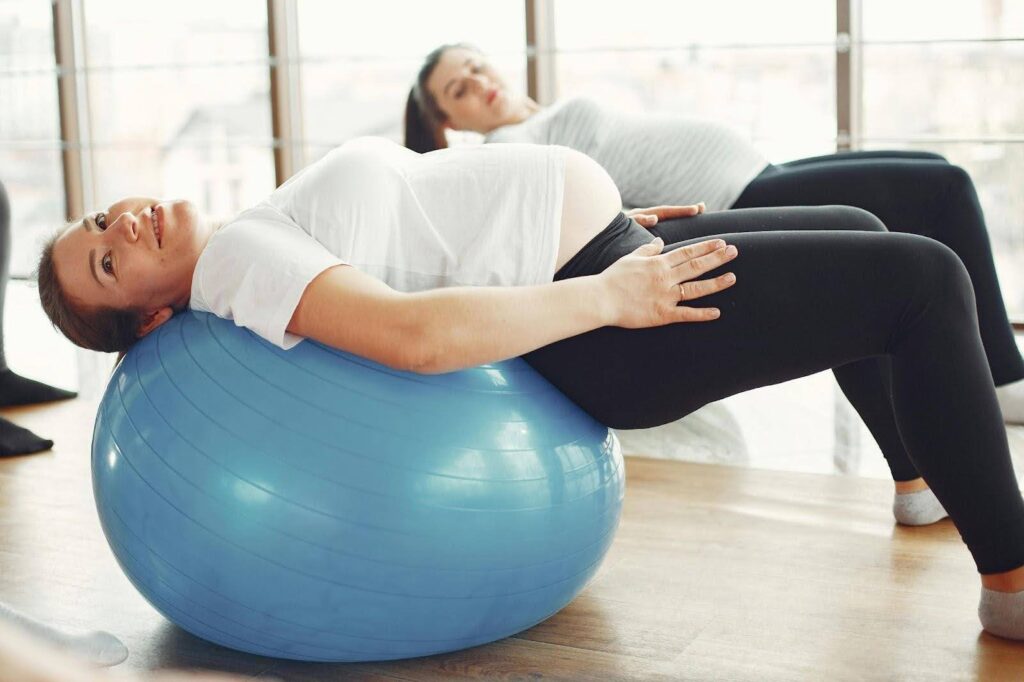
Pregnancy places increasing demands on the body as the baby grows.
Common physical challenges
Many women experience:
- Lower back pain due to posture changes
- Pelvic discomfort or pressure
- Swelling in legs and joints
- Reduced balance and stability
These symptoms are common but can be managed effectively.
Safe physiotherapy approaches
Physiotherapy during pregnancy focuses on safe and gentle methods such as:
- Low impact strengthening exercises
- Breathing and relaxation techniques
- Posture correction and ergonomic advice
- Pelvic floor activation and preparation
- Pain relief through manual therapy where suitable
All treatment is adjusted to ensure safety for both mother and baby.
Managing Women’s Health During Menopause
Menopause brings hormonal changes that can affect muscles, joints and overall mobility.
Common symptoms affecting movement
Women may experience:
- Joint stiffness and discomfort
- Reduced muscle strength
- Lower bone density
- Fatigue and reduced stamina
- Balance changes in some cases
Physiotherapy strategies for menopause
Physiotherapy can support this stage through:
- Strength training to support bone health
- Balance and coordination exercises
- Flexibility and mobility work
- Low-impact aerobic conditioning
- Pain management techniques for joint discomfort
These approaches help maintain independence and quality of life.
Individualised Physiotherapy Treatment Plans
Every woman’s body responds differently, so personalised care is essential.
Why customised care matters
Individualised treatment considers:
- Life stage and hormonal changes
- Activity level and lifestyle
- Pain patterns and medical history
- Personal recovery goals
This ensures safer and more effective outcomes.
What a treatment plan may include
A structured plan may involve:
- Physical assessment and movement screening
- Tailored exercise programmes
- Manual therapy techniques
- Education on posture and daily habits
- Progressive recovery tracking
When to See a Women’s Health Physiotherapist
Early support can help address physical changes and symptoms before they develop into long-term issues. Seeking professional guidance can improve recovery, restore function and support overall wellbeing throughout different stages of life.
Signs You May Need Support
Consider seeing a physiotherapist if you experience:
- Persistent back, hip or pelvic pain
- Difficulty recovering after childbirth
- Bladder control issues
- Weak core muscles or abdominal separation (diastasis recti)
- Reduced mobility, flexibility or stiffness
- Discomfort that affects daily activities or exercise
Benefits of Early Intervention
Early treatment can help:
- Speed up recovery after pregnancy and childbirth
- Prevent chronic pain and ongoing discomfort
- Improve daily comfort and movement
- Restore strength, stability and confidence
- Support long-term health and wellbeing
Conclusion
From pregnancy and postpartum recovery to menopause and beyond, women experience a range of physical changes that can impact movement, comfort and quality of life. Women’s health physiotherapy provides targeted support to help manage these changes, improve function and promote long-term strength and resilience.
If you’re experiencing symptoms that are affecting your daily life or would like personalised guidance for your health journey, get in touch with our team today to learn how women’s health physiotherapy can support your wellbeing.
FAQs
1. How does physiotherapy help during pregnancy?
It helps manage pain, improve posture, strengthen muscles and support safe movement during pregnancy.
2. Is women’s health physiotherapy safe after childbirth?
Yes, it is safe and recommended to support pelvic floor recovery, core strength and overall healing.
3. Can physiotherapy help with menopause symptoms?
Yes, it can improve strength, mobility, balance and reduce joint stiffness associated with menopause.
4. What is pelvic floor physiotherapy?
It is a specialised treatment that focuses on strengthening and improving control of pelvic muscles.
5. When should I start postpartum physiotherapy?
Many women can start gentle assessment soon after childbirth, depending on recovery and medical advice.